The Hidden Menace: Your Timing Belt (or Wetbelt)
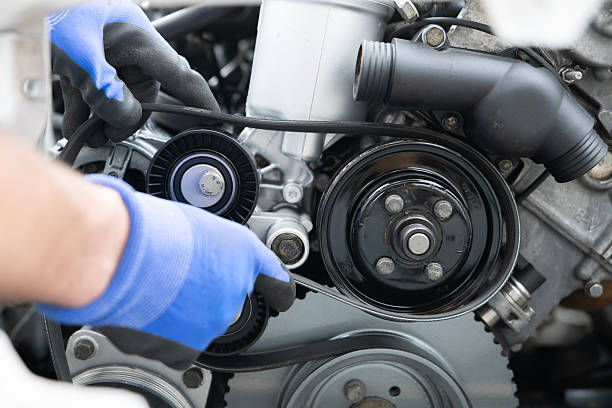
You’ve probably never given much thought to your timing belt (also known as a cambelt) — but if it fails, it can cause serious engine damage and lead to repair bills running into the thousands.
Fortunately, timing belts are designed to last tens of thousands of miles, though the exact interval depends on your vehicle’s make, model, and engine type. We always recommend checking, at your next service, when your timing belt is due for replacement to avoid unexpected breakdowns.
What About Wetbelts?
Some modern engines use a wetbelt system instead of a traditional dry timing belt. A wetbelt runs inside the engine oil, designed to reduce friction and improve efficiency. While this technology sounds beneficial, it has a drawback — the belt is exposed to engine oil contamination and can degrade faster than expected if oil changes are missed or poor-quality oil is used.
When a wetbelt starts to break down, small fragments of rubber can circulate through the engine’s oil system, potentially blocking oilways and causing catastrophic engine failure.
That’s why regular oil changes with the correct grade of oil are crucial for vehicles with wetbelt systems — and why replacing the belt at the manufacturer’s recommended interval is so important.